Athens, Rome and Persia loom large in the history books. But states tell only part of the story of the ancient Mediterranean.
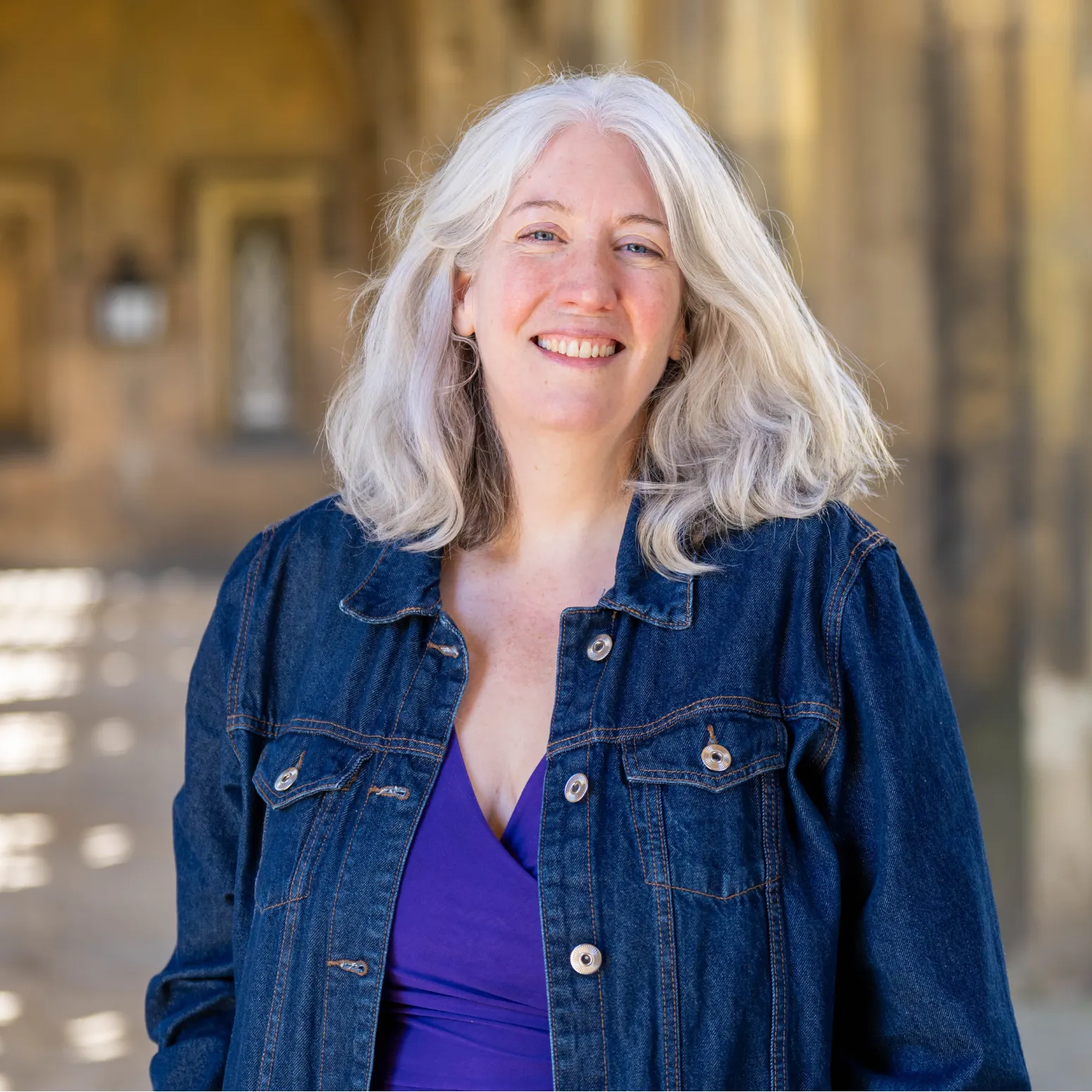
In Anarchical Antiquity, her inaugural lecture as Professor of Ancient History, Professor Quinn will turn the usual picture on its head by looking at people and places beyond the reach of states, struggles against state power and ways of organising life without centralised rule.
The lecture takes anarchism as a new way of looking at ancient history – not as chaos or disorder, but as a challenge to hierarchical authority and a defence of individual autonomy. It will also venture inside one of the most powerful states of antiquity to ask whether anarchist approaches could be found within the Roman Empire itself.
Professor Quinn took up the Chair in Ancient History at the University of Cambridge in 2025 and is a Fellow of St John’s. She teaches ancient Mediterranean history and archaeology, and has co-directed Tunisian-British archaeological excavations at the ancient city of Utica.
Before coming to Cambridge, she taught Classics at the University of Oxford, where she was a Fellow of Worcester College, and has held fellowships at institutions including the British School at Rome, the Getty Villa and the New York Public Library.
Her books include How the World Made the West: A 4,000-Year History and In Search of the Phoenicians, which won the Society for Classical Studies Goodwin Award of Merit in 2019. She is also a regular contributor to the London Review of Books and New York Review of Books.
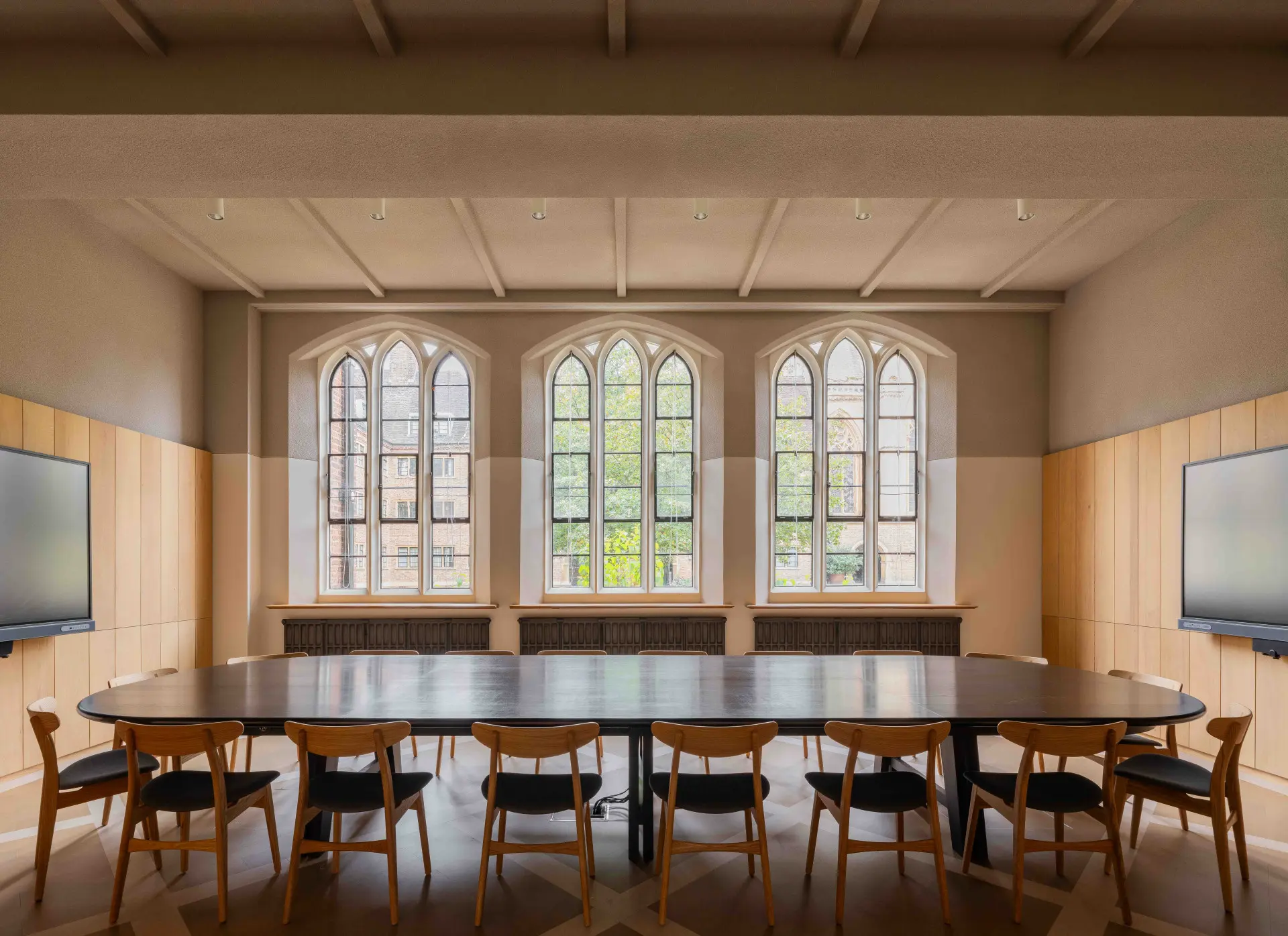
Anarchical Antiquity takes place at 5pm on Thursday 8 October in the Old Divinity School Main Lecture Theatre, St John’s College.
The lecture is free and open to all, with no advance registration required. A reception will follow in the Central Hall of the Old Divinity School.