The St John’s academic who helped secure UNESCO World Heritage recognition for sites designed by the Finnish modernists Studio Aalto is offering a fresh interpretation of their work.
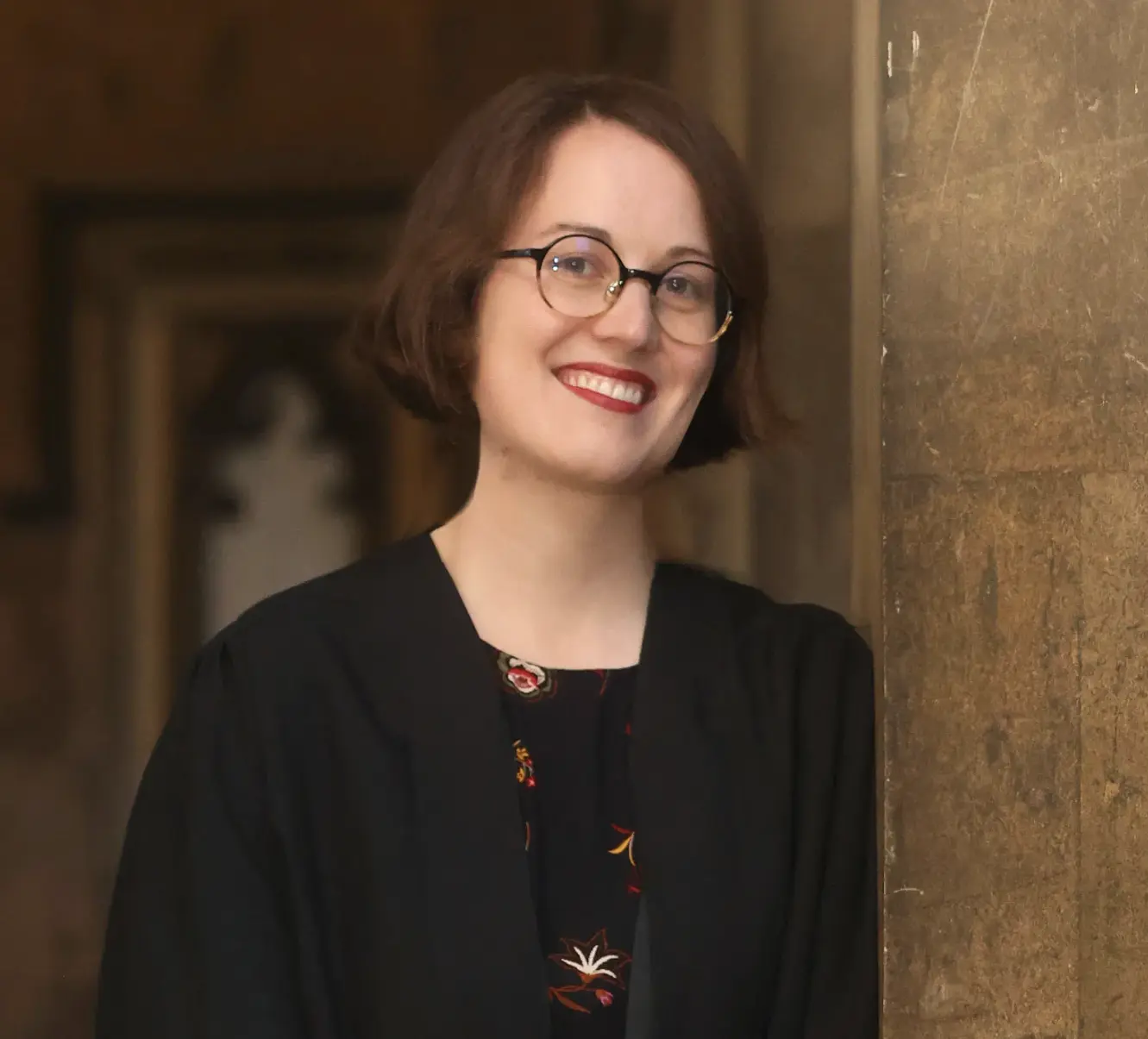
Dr Sofia Nivarti, an Associate Professor of Architecture at the University of Cambridge and Fellow of St John’s College, specialises in the critical appraisal of the architecture, urbanism, design and thought of Architects Alvar Aalto Ltd (‘Studio Aalto’), whose body of work spans much of the 20th century.
Alvar Aalto (1898-1976), the founder of Studio Aalto renowned for its warm, organic, ‘humane’ designs, famously once remarked: “It is not what a building looks like on the opening day that matters but what it is like 30 years later.”
So it’s apt that three decades after the closure of the practice, and 50 years after Alvar’s death, 13 Aalto-designed sites in Finland have been given UNESCO World Heritage status. Dr Nivarti was not only involved in the nomination process, but her new book, Studio Aalto: The Modern Legacy of Alvar, Aino and Elissa Aalto, critically appraises the ‘afterlife’ of Aalto buildings, and their significance and relevance today.
“Much of Studio Aalto’s work anticipates the concerns and interests of 21st-century practice. The Aaltos’ appreciation of natural materials and environments might be seen as a forerunner to contemporary notions of sustainability, and their insistence on privileging comfort a premonition of what today would be called human-centric or empathetic design,” said Dr Nivarti, who is Director of Studies in Architecture at St John’s.
“It is remarkable how their work embodies and responds to the concerns of both the 20th and 21st centuries so evocatively.”
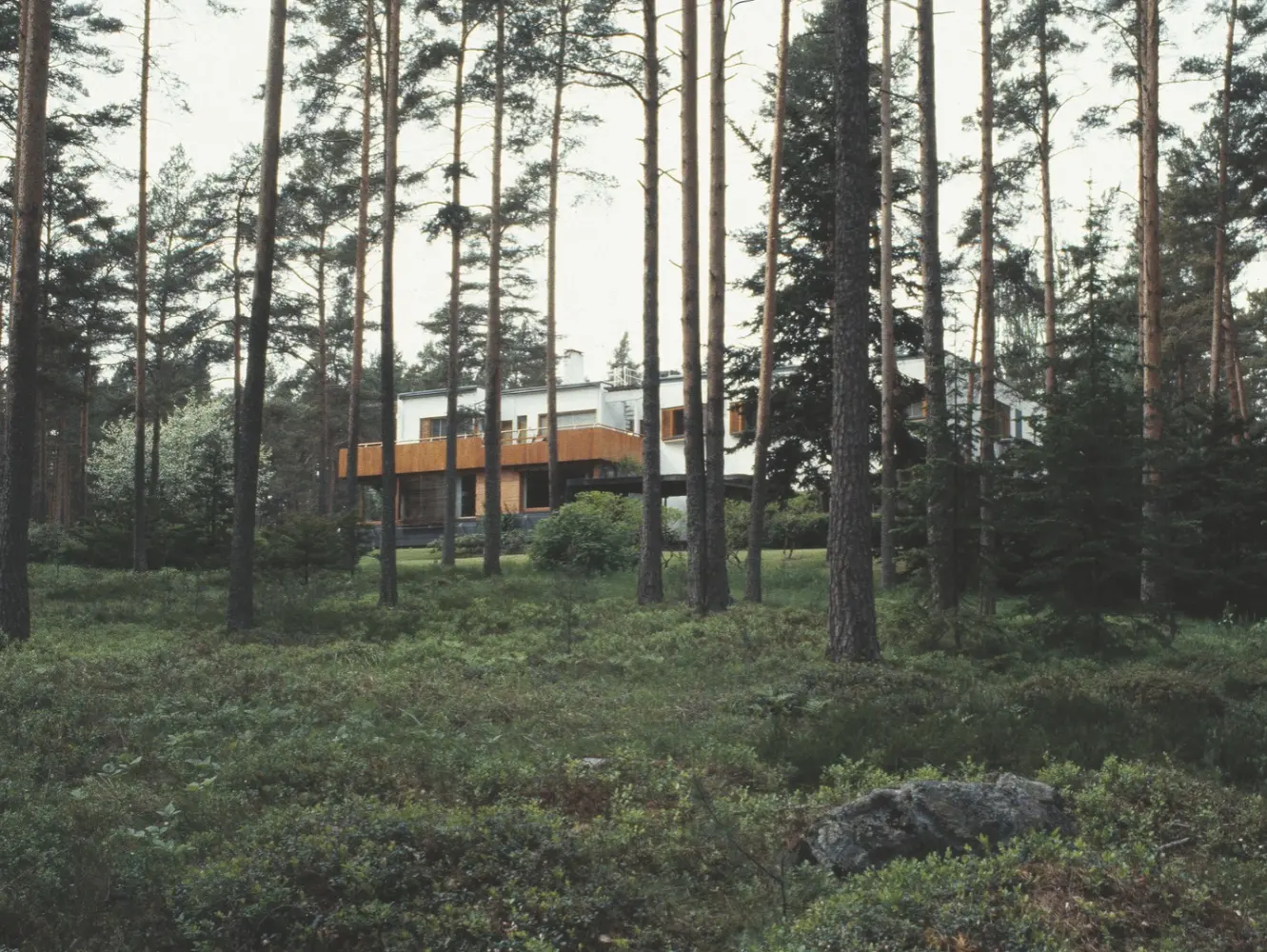
Alvar founded the studio in the early 1920s and was joined in the business by his first wife Aino (1894-1949) as co-director. In 1952, after Aino’s death, Alvar married Elissa (1922-1994), who also became co-director. She continued Studio Aalto for another two decades after Alvar died, with it finally closing upon her own death.
With access to previously unpublished archival material, Dr Nivarti’s investigation comes at a time when modern architecture increasingly becomes heritage and its legacy is simultaneously vilified and subjected to various forms of revival. Her book aims to show what Aalto projects tell us about 20th-century modernism, and how they impact our decisions to conserve, restore, or protect them in the 21st century.
In some ways, Dr Nivarti suggests the Aaltos ‘have perhaps been over-romanticised’, especially outside Finland, where she is also from. “It is also appropriate to ask, what went wrong? Where are the mishaps and mistakes? The book doesn’t seek to offer an apologia of their work – fuelled as it is by a deep respect for their oeuvre – but an assessment, in good and bad, of the legacies, interpretations and meanings we attach to the work decades after realisation or completion.”
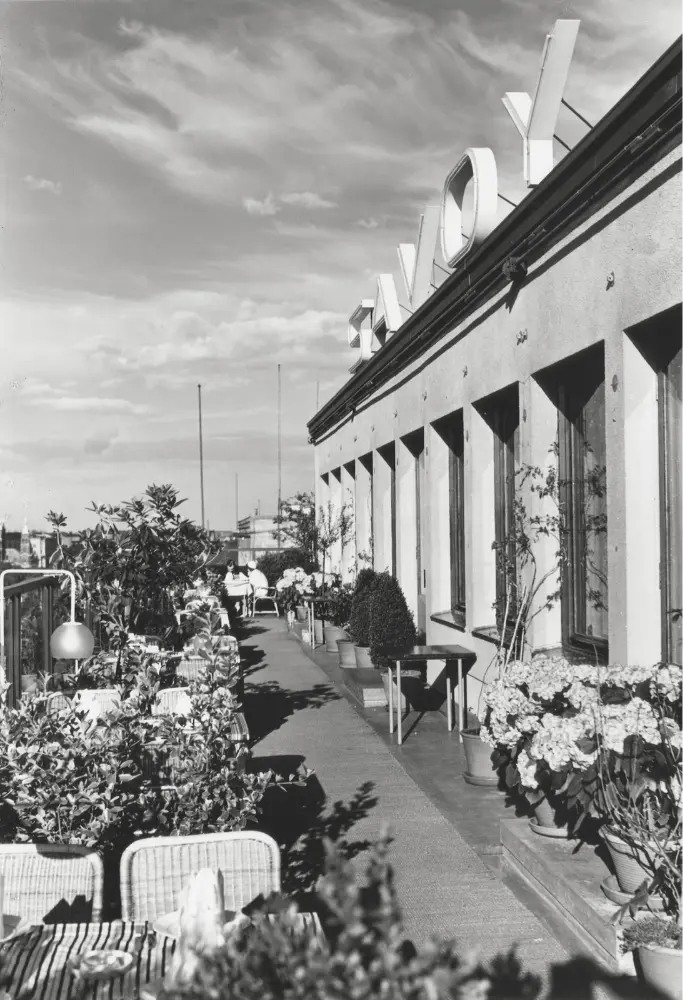
Over 70 years Studio Aalto employed hundreds of people and interns and designed more than 500 projects, of which roughly half were realised, as well as tens of thousands of household products, from dining chairs to glassware.
Designed between 1928 and 1988, the 13 Aalto buildings awarded UNESCO World Heritage Status are rooted in Finnish building traditions while drawing on global modernist ideas, with UNESCO describing them as expressing ‘a human‑centred, site‑specific, and empathetic vision that distinguishes Finland’s contribution to modern architecture’.
Dr Nivarti served as rapporteur for the Comparative Analysis component of the nomination process, studying the sites in situ with a group of international heritage experts. She said: “The recognition of the Aaltos’ work as ‘World Heritage’ speaks volumes about the respect and admiration their signature ‘humane modernism’ garners to this day.”