A geologist ridiculed for examining rocks under a microscope went on to transform steelmaking. Almost a century later, a pioneering Cambridge woman helped solve the mystery of why American ships were cracking during the Second World War – with catastrophic consequences.
What made these scientists think differently? And how did their experiences shape the discoveries they made?
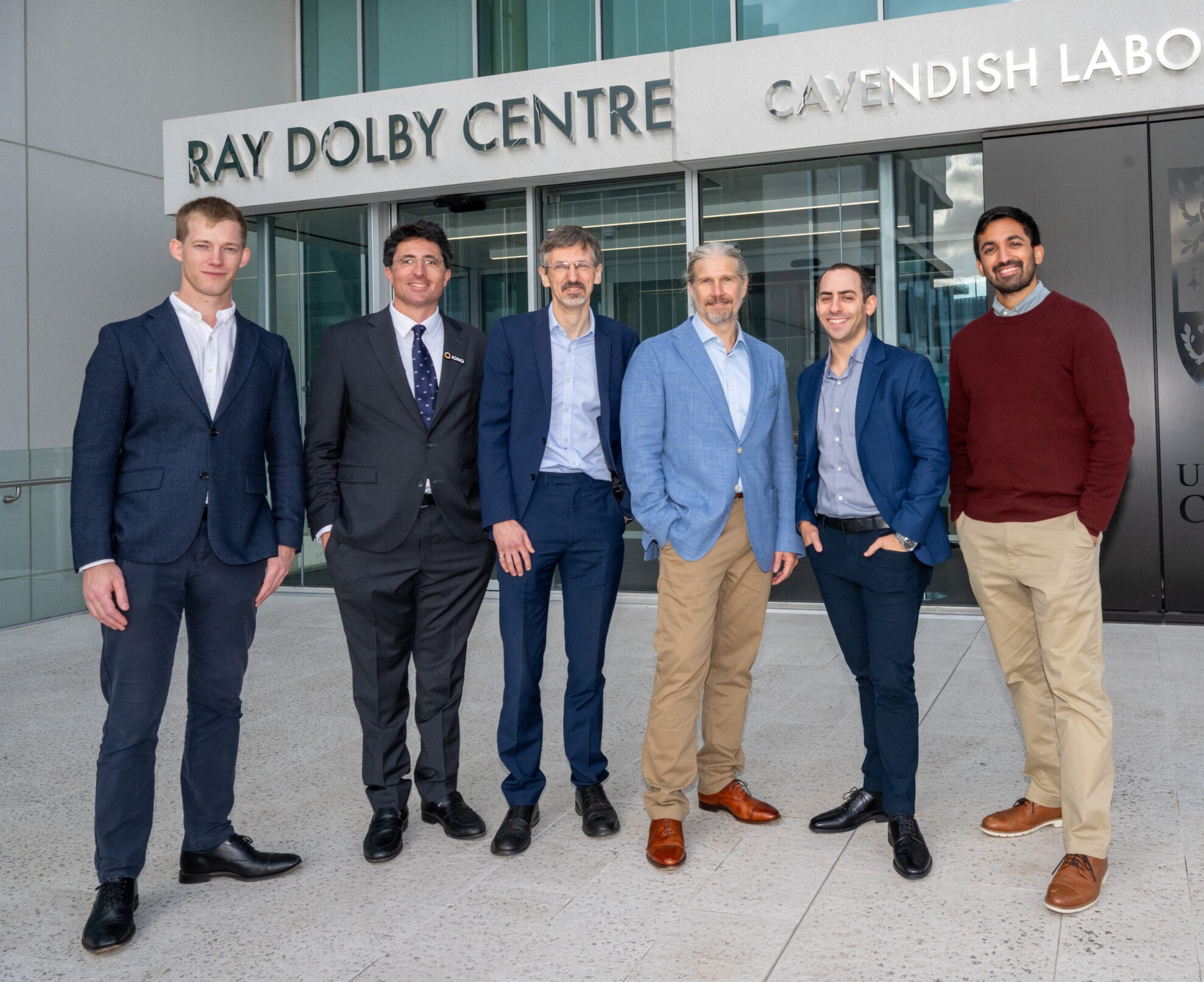
Dr Matteo Seita, a Fellow of St John’s College, University of Cambridge, and co-author Dr Mengying Liu, Washington and Lee University, Virginia, explore these questions in a new article published in Nature Materials.
In The person behind the scientist, the researchers argue that academic papers explain what has been discovered but rarely reveal how an idea first took shape.
Dr Seita, a College Lecturer and Director of Studies in Engineering at St John’s, said: “Their experiences, the society they lived in and the challenges they encountered all helped shape the way they thought. Understanding those personal histories can give us a completely different appreciation of their discoveries.
“As scientists, we often encounter a discovery and wonder how somebody came up with the idea in the first place. Scientific papers explain the results, but they rarely tell us what was going on in the scientist’s mind.”
That question inspired Dr Seita and Dr Liu to establish The Past Metallurgists Society (TPMS), to bring together researchers from all over the world to explore the lives of the people whose discoveries laid the foundations of modern materials science.
“Our history shapes our brain and the way we think, even about science”
Dr Seita added: “Ideas result from our perception of the world, which we observe through the lenses forged by our experience. Our culture, the society we live in, and the collection of experiences which we acquire as we progress through life – professional and private – contribute to shaping our mindset. In other words, our history shapes our brain and the way we think, even about science.”
At the society’s first meeting in 2024, researchers shared the stories of 12 pioneering metallurgists – scientists who study metals and their properties – including Henry Clifton Sorby, a 19th-century geologist from Sheffield whose unusual approach to studying rocks eventually transformed steelmaking.
Sorby pioneered techniques for cutting and polishing thin sections of rock so they could be examined under a microscope. His methods were so unconventional that his fellow scientists laughed at the man who wanted to ‘examine mountains under the microscope’.
His ambition to make a mark as a scientist eventually steered his attention to steel, which he used as a poor man substitute for the rarer meteoritic iron.
Applying the techniques he had developed as a geologist, he discovered that manufactured metals had a crystalline structure, a breakthrough with profound implications for steelmaking.
His interests stretched far beyond geology and metals. Sorby also developed a way of detecting tiny traces of blood, opening up new possibilities for criminal investigations, and used his microscope to study microorganisms and historic manuscripts.
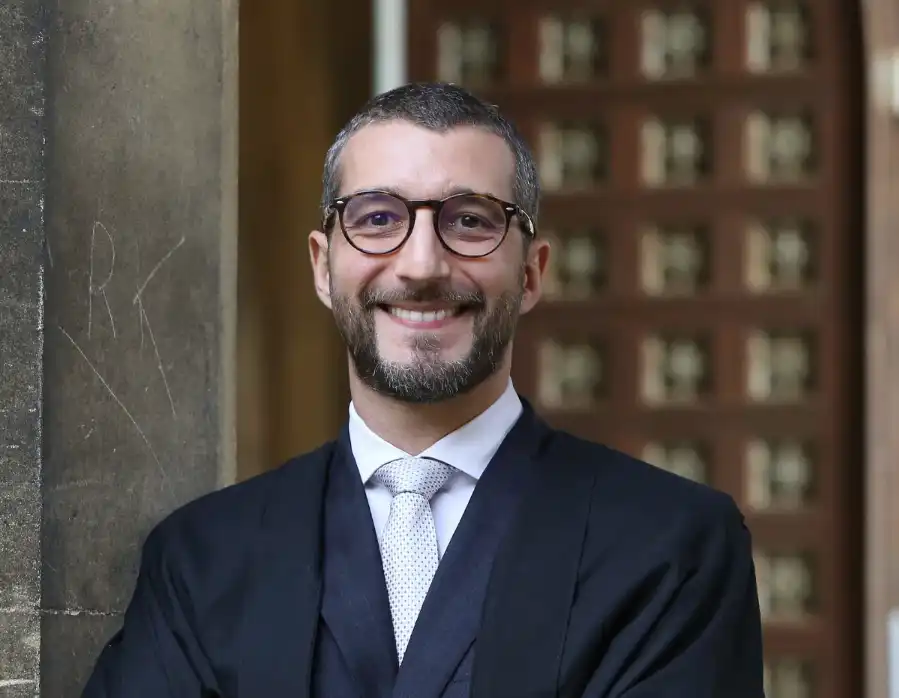
Dr Seita said: “Sorby’s story is one of serendipitous discovery, but also one that teaches the value of excelling in one art or discipline and using it to explore different domains of science. Sorby is a wonderful example of the value of crossing scientific boundaries. He began by studying rocks and developed techniques that he later applied to metals, biology and even forensic science.
“His curiosity took him into fields that might otherwise have seemed unrelated. His story shows how expertise in one discipline can open up entirely new ways of investigating another.”
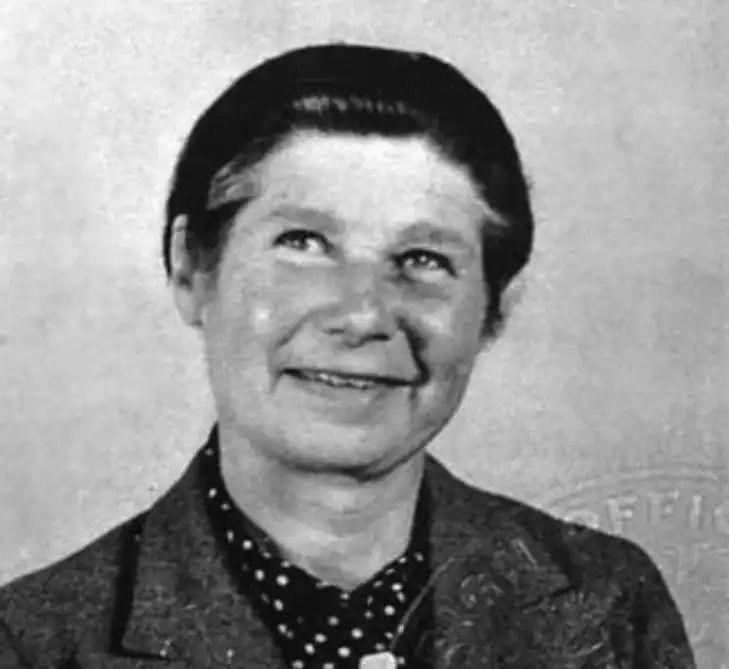
The meeting also explored the achievements of Constance Tipper, whose research helped solve a serious problem facing American shipbuilders during the Second World War.
Liberty Ships, built to transport vital supplies across the Atlantic, were developing dangerous cracks in their steel hulls, sometimes with deadly consequences. The scale of the problem was enormous, with around 1,500 cases reported in wartime ships. In November 1943, the Liberty Ship SS John P Gaines broke in two in the North Pacific and sank, killing 10 crew members.
Tipper led investigations into the failures and discovered how steel could become brittle at lower temperatures, making it more likely to fracture rather than deform under stress.
“Her story reminds us why it matters to recognise the people behind discoveries, not just the discoveries themselves”
Her work led to the ‘Tipper test’, which measured how steel’s ductility – its ability to deform plastically without breaking – changed with temperature, helping scientists understand why the ships were failing.
Dr Seita explained: “Constance Tipper’s story raises important questions about scientific recognition. What makes her story particularly striking is that, despite the importance of her lifesaving work, her test felt into disuse and even some of her other contributions to materials science were never properly credited to her.”
Tipper worked under difficult conditions at Cambridge. Although she began teaching at the University in 1928, she had no official appointment or office space until 1949, despite carrying a heavy teaching load.
“Her story reminds us why it matters to recognise the people behind discoveries, not just the discoveries themselves. It is also an important reminder that scientific progress depends on the work of those who came before us.
“These stories are not just about celebrating great scientists of the past. They help us understand how scientific ideas develop, how discoveries are influenced by personal experiences and why the history of the people behind them matters.”
The Past Metallurgists Society plans to hold meetings every three years, with the next taking place in the Old Divinity School at St John’s on 21–22 July 2027. The event is free, open to everyone and will also be broadcast via Microsoft Teams.
Dr Seita added: “It is very much our hope that others will be inspired by our initiative and start similar meetings in other disciplines and not only science.”