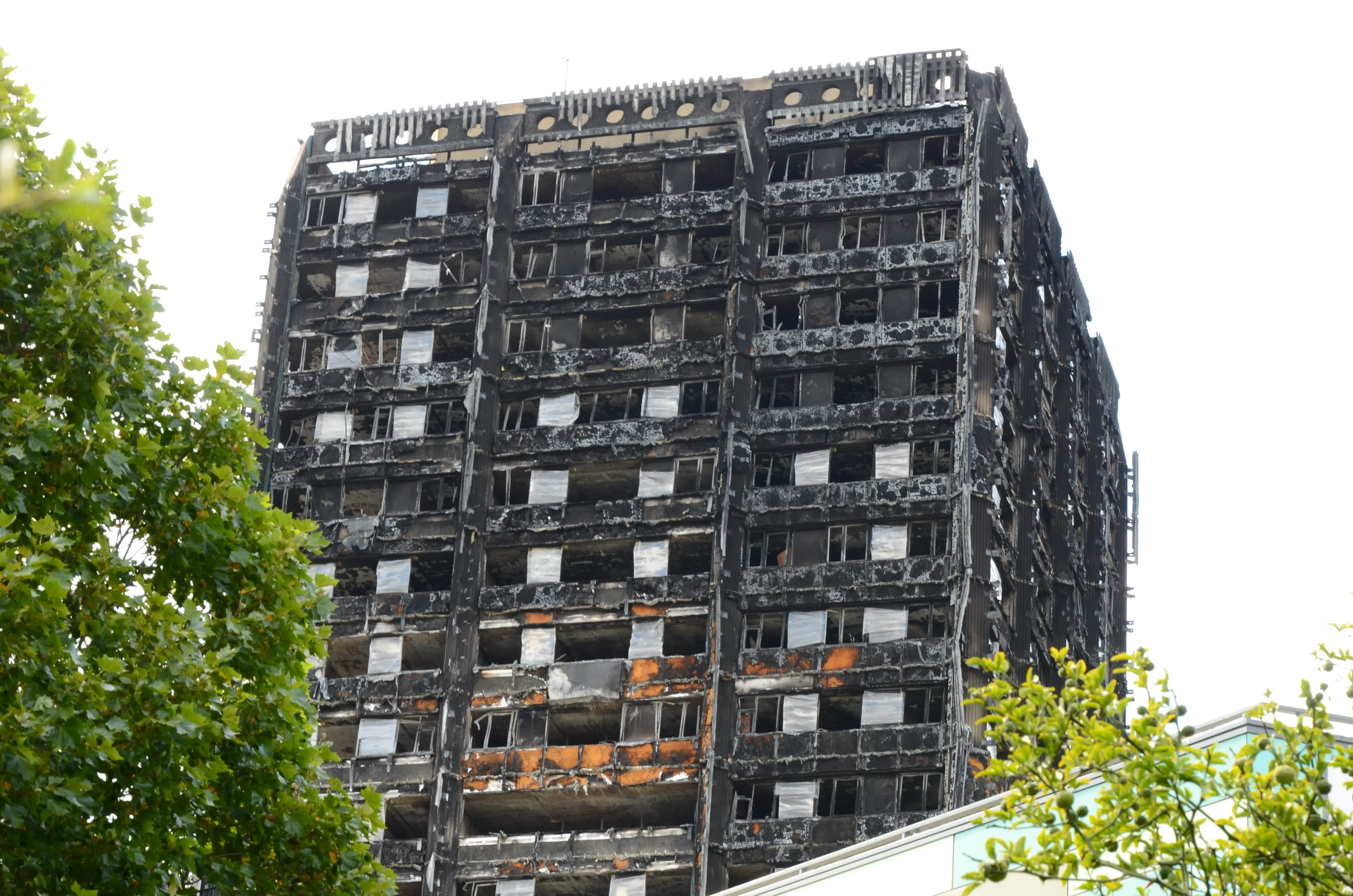
When part of Ronan Point tower block collapsed in east London in 1968, it exposed serious flaws in Britain's high-rise housing. Almost half a century later, the Grenfell Tower fire raised devastating questions about why warnings over building safety had been ignored.
Now, a major new digital archive co-created by Dr Holly Smith, a historian of modern Britain and Fellow of St John’s College, University of Cambridge, is bringing together the evidence, personal stories and campaigns that connect these disasters.
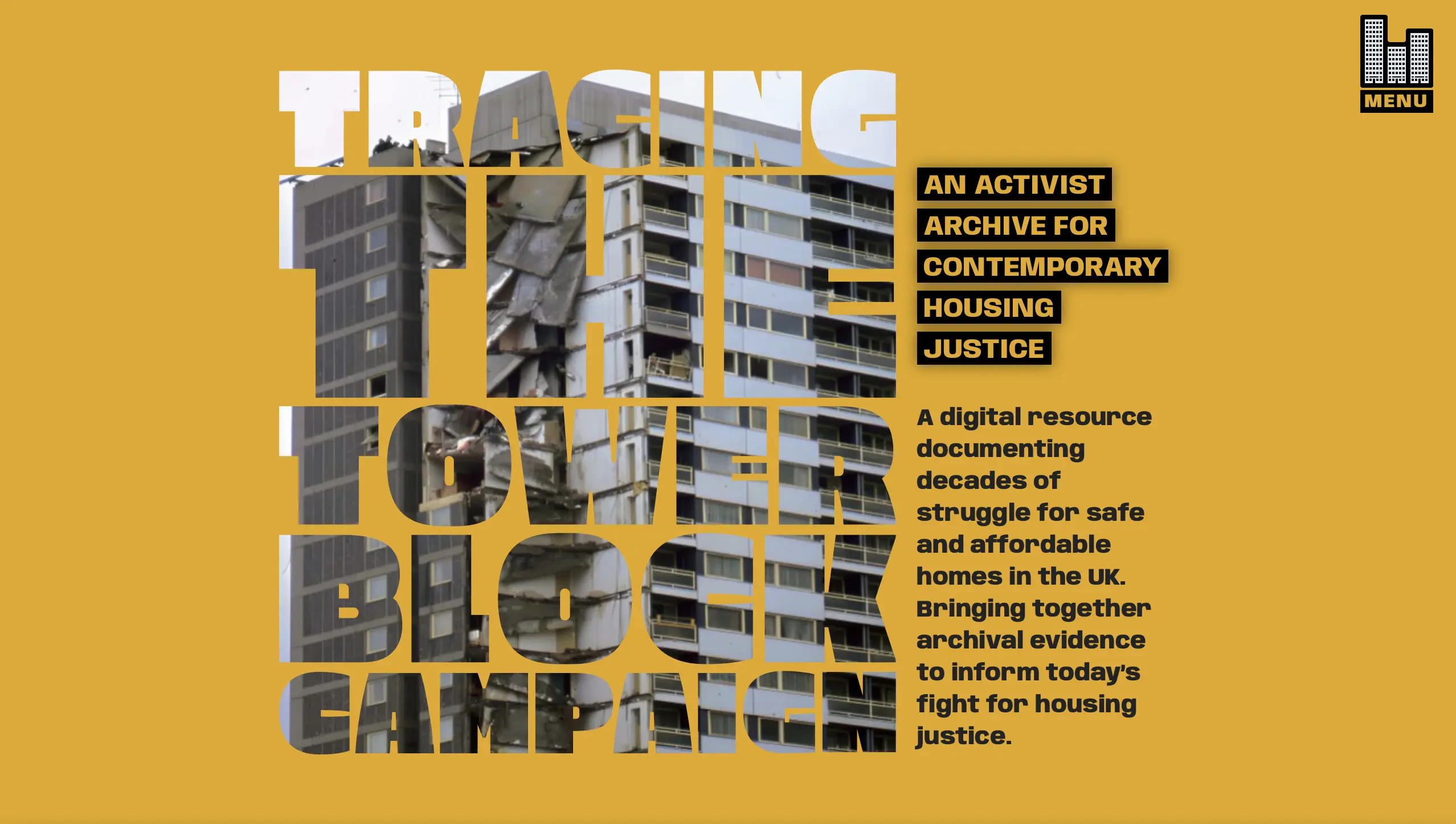
Launched today (Monday 16 November), Tracing the Tower Block Campaign documents generations of residents, architects and housing activists who fought to expose dangerous buildings and demand accountability.

Dr Smith, who specialises in modern British history, particularly the relationship between architecture, politics and housing justice, said: “The Grenfell Tower fire was a devastating tragedy, and it did not come out of the blue. Warnings about the dangers of over cladding and further structural flaws go back decades. From Ronan Point in 1968 onwards, residents and campaigners repeatedly raised concerns about the safety of their homes.
“This archive brings that history together and shows justhow much people knew, how hard they fought to be heard, and how many of those concerns remain relevant today.”
Dr Smith’s research into the Ronan Point disaster won Oxford University Press's Duncan Tanner Prize in 2022, and she has spent the past year developing the new archive alongside housing advocacy organisation Tower Blocks UK, public heritage co-operative On the Record, and designers at Millipedia.
The freely accessible resource features hundreds of historical documents, photographs, structural surveys and 3D scans of architectural debris, including the extensive personal collection of the late architect and housing safety campaigner Sam Webb MBE.
The archive also provides practical guidance to help people living in tower blocks today understand their rights, investigate safety concerns and challenge those responsible for their homes.
The archive reunites materials previously held in separate collections, allowing visitors to uncover connections between people, buildings and campaigns spanning more than half a century.
Among the documents are newsletters, campaign leaflets, correspondence, architectural drawings, posters and previously unpublished drafts of a little-known play by theatre director Joan Littlewood.
Visitors can explore the collection through 27 short historical accounts, known as 'Storeys', which tell the stories of individual campaigns and episodes of action. The archive can also be searched by place, date and keyword.
Historical evidence is accompanied by practical resources from Tower Blocks UK's Fix My Block service, including guidance on fire safety, cladding, mould and residents' rights, as well as letter templates to help people hold landlords accountable.
The resource launches as the UK continues to confront the legacy of unsafe high-rise housing, with building safety assessments and remediation raising difficult questions about temporary rehousing, demolition and residents' rights to return to their homes.
Dr Smith explained: “We didn't want to create an archive that simply looked back at the past. We wanted to make this history useful to people living in tower blocks today.
“By bringing together decades of evidence and campaigning, we hope to give residents the information and tools they need to ask questions, challenge decisions and campaign for safer homes.”
Dr Smith, a Fellow of the Royal Historical Society, also works as a pro bono advisor to Tower Blocks UK, a not-for-profit organisation that supports residents and housing safety advocates.
The project builds on research from her book, Up in the Air: A History of High-Rise Britain (Verso, 2025), which explores the history of high-rise housing and inequality in Britain.
Named a Financial Times Best Book of 2025, it was praised by The Telegraph as 'a superb history of the tower block and an urgent reminder of the housing inequality it failed to solve'. The paperback edition will be published on 24 November.