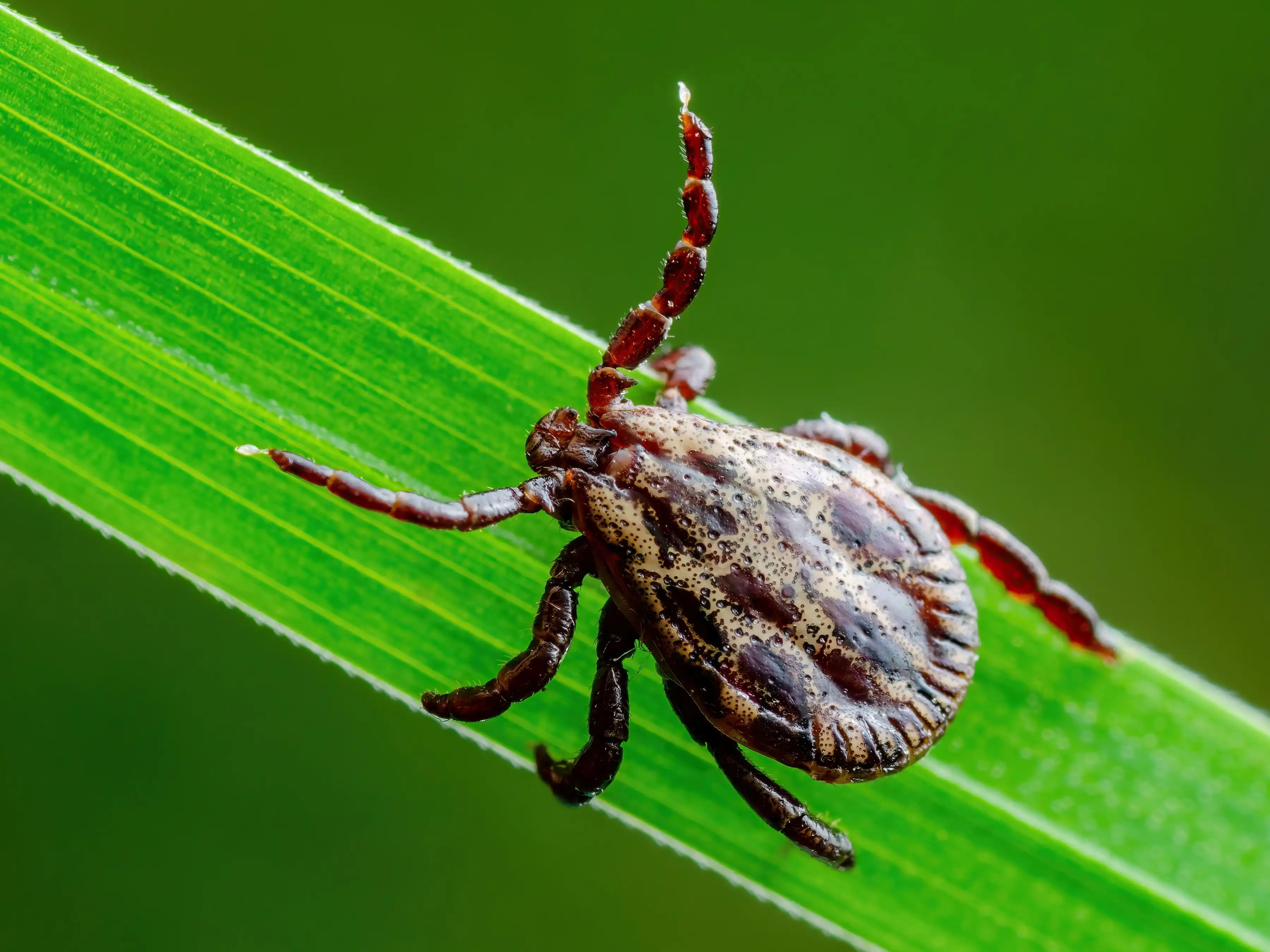
A St John’s scientist is launching a new UK research programme to investigate the bacteria responsible for Lyme disease, a potentially debilitating illness spread through the bite of an infected tick.
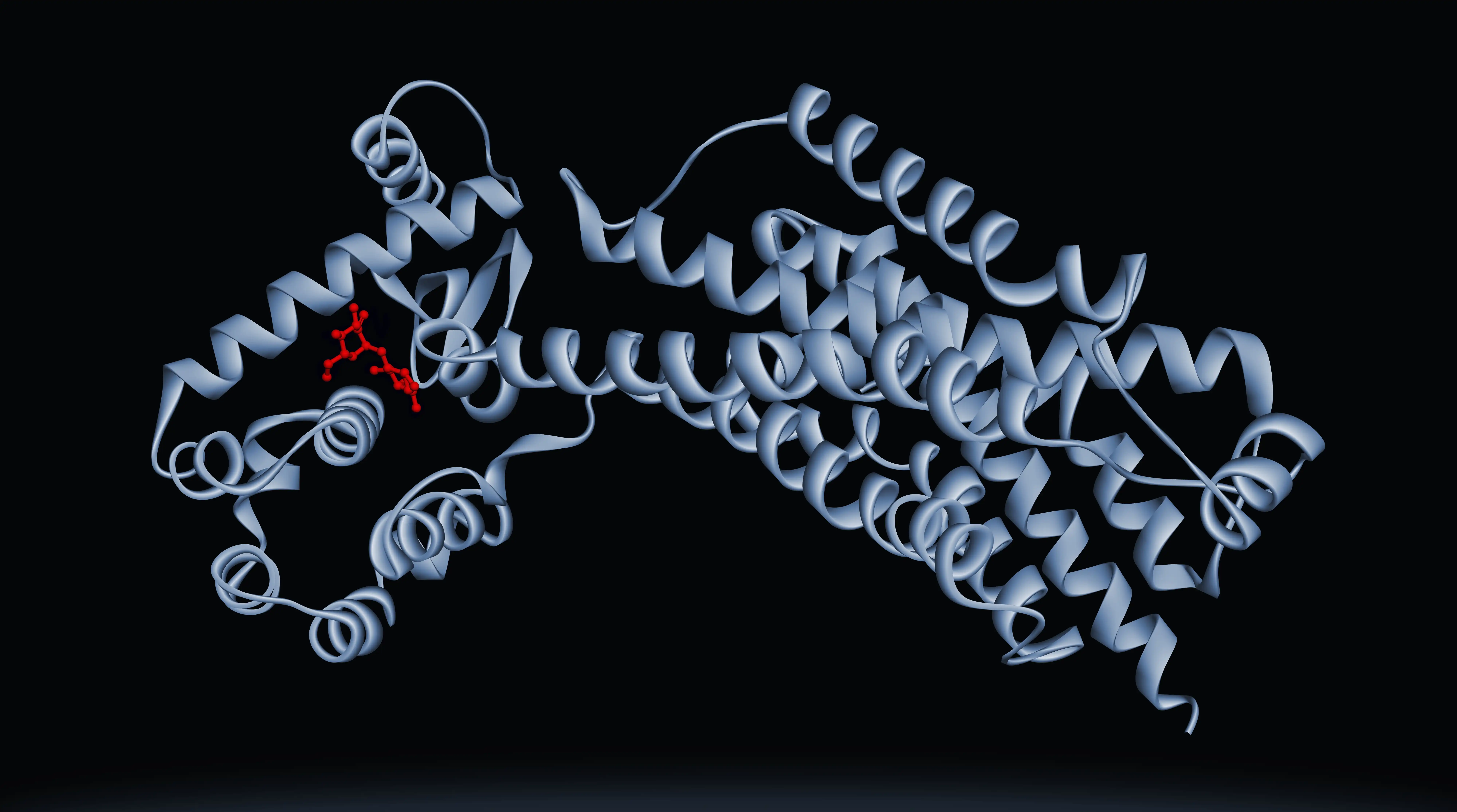
Dr Jeanne Salje, a Fellow of St John’s College and an Assistant Professor in the University of Cambridge’s Departments of Biochemistry and Pathology and the Cambridge Institute for Medical Research, will investigate the cell biology of Borrelia burgdorferi, the bacteria behind Lyme disease.
The illness can cause widespread symptoms including fever, severe fatigue, brain fog, neurological issues, heart block, gastrointestinal symptoms, joint pain and skin rashes. Comedian and BBC One Celebrity Traitors star Miranda Hart has spoken publicly about her long-term health struggles with Lyme disease, which left her bedbound and housebound after she was bitten by a tick as a teenager.
“Lyme disease can have a devastating impact on people’s lives, yet many fundamental questions about the bacteria that cause it remain unanswered,” said Dr Salje, whose research is being funded by two UK charities.
“This generous funding from Lyme Disease UK and the Lyme Resource Centre will allow us to bring our expertise in studying other tick-borne bacteria to this important and under-researched pathogen.”
Dr Salje is a world expert in vector-borne bacteria – pathogens transmitted to humans and animals by arthropods such as ticks, fleas, lice and flies.
Her research has focused on the cellular mechanics of Rickettsiales, particularly Orientia tsutsugamushi, the bacterium responsible for scrub typhus, a potentially life-threatening disease endemic across Asia.
Her work spans genomics and bacterial physiology, as well as infection cycles and the mechanisms of disease. Although Orientia tsutsugamushi remains relatively understudied, Dr Salje’s research group has made major breakthroughs in understanding the genomics, cell biology and pathogenesis of the pathogen, and is now working on developing new diagnostic tools.
“We are excited to open up a new direction of research that we hope will ultimately contribute to better understanding, diagnosis and treatment of Lyme disease”

There are striking biological and clinical parallels between Orientia tsutsugamushi and Borrelia burgdorferi, meaning Dr Salje’s expertise and advanced research techniques could translate exceptionally well to Lyme disease.
While international research is already investigating Lyme disease diagnosis, treatment and persistent symptoms, the two charities believe more research is needed in the UK.
Understanding the specific characteristics of the Borrelia species responsible for Lyme disease in the UK could provide the foundations for more effective interventions.
The new programme aims to lay the groundwork for larger grant applications and establish world-class expertise in Cambridge, ultimately helping to improve tests and treatments for UK patients.
“We are excited to open up a new direction of research that we hope will ultimately contribute to better understanding, diagnosis and treatment of Lyme disease,” said Dr Salje, who is the University’s School of Biological Sciences Theme Leader in Infection and Immunity, and College Lecturer and Director of Studies in Cell Biology at St John’s.
Dr Salje has also recently secured funding from the Advanced Research + Invention Agency (ARIA) to investigate ways of reprogramming mitochondria to combat genetic and age-related diseases.