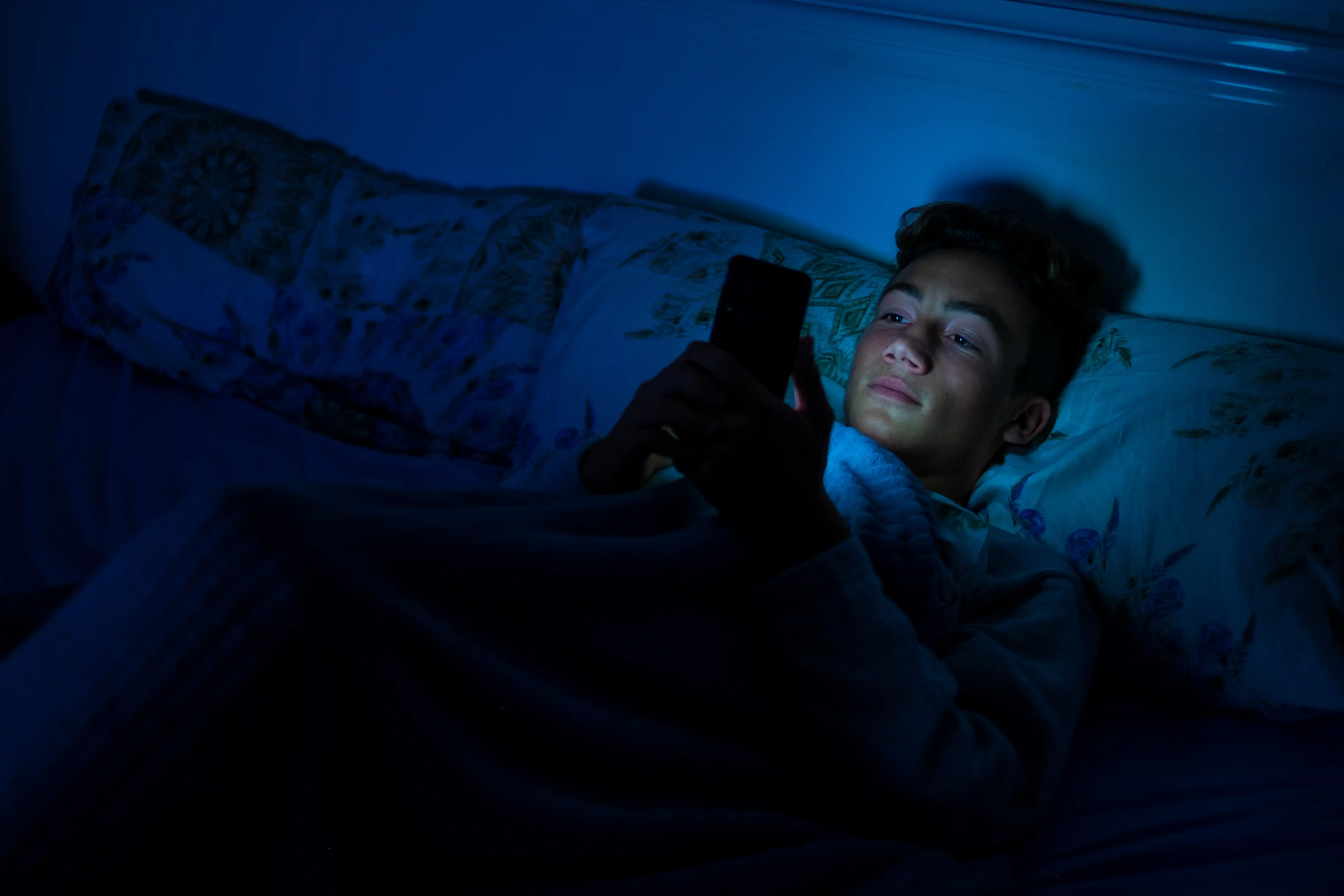
The project, which will put a daily limit on the social media use of thousands of UK teenagers via their smartphones, is set to begin this year.
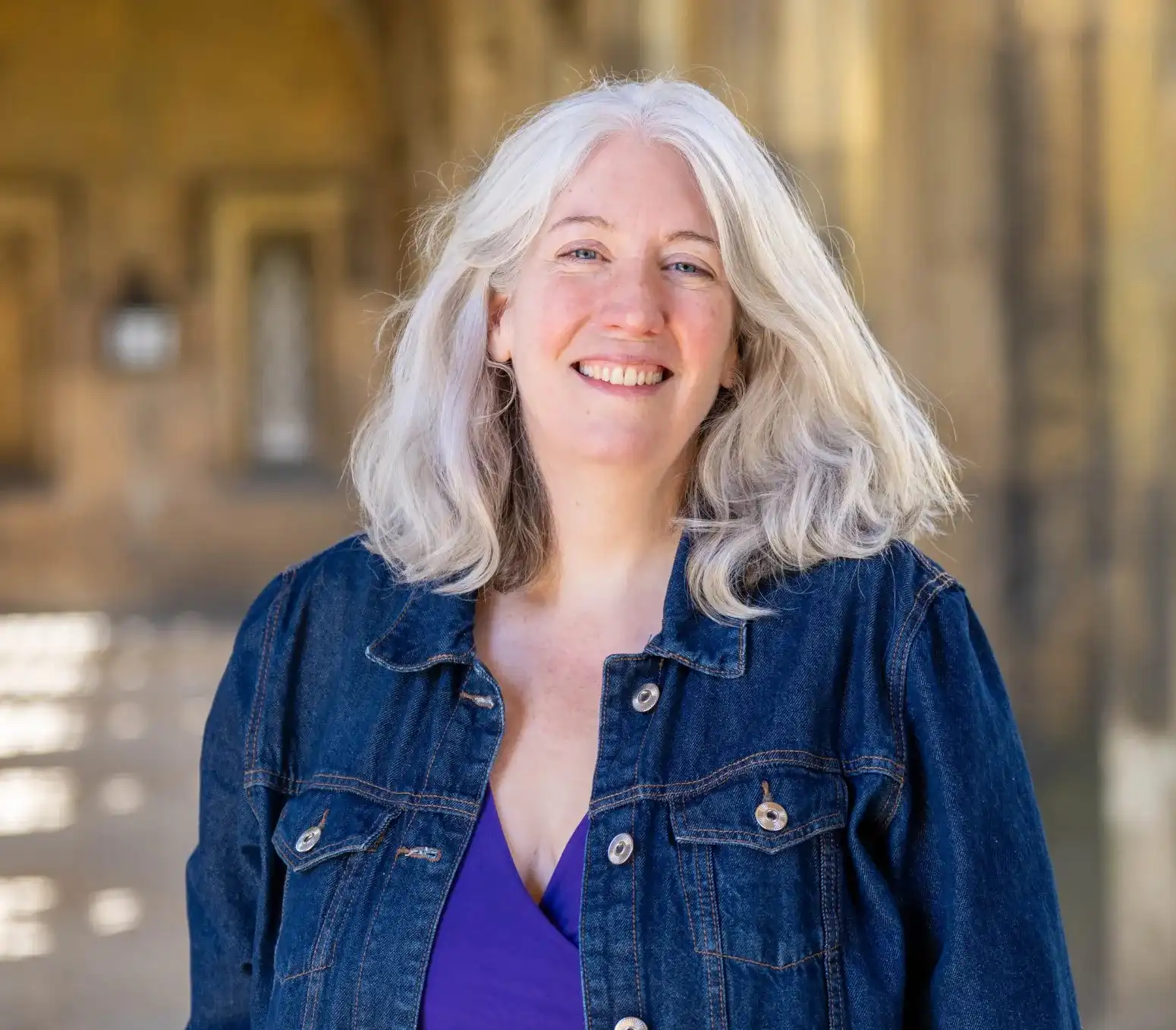
St John’s College Fellow Professor Amy Orben, who leads the Digital Mental Health programme at the University of Cambridge MRC Cognition and Brain Sciences Unit, will jointly run ‘The IRL Trial’ with her co-lead from a public health programme in West Yorkshire called Born in Bradford.
IRL is internet slang for ‘in real life’, used to distinguish offline experiences from the digital lives many of us now lead.
“Most scientists agree that we need to do more to keep children safe online and to ensure that the digital platforms they use are designed to support their wellbeing and development,” said Professor Orben, who is a College Lecturer and Director of Studies in Psychological and Behavioural Sciences at St John’s College.
“What we currently lack is research on what interventions work to do just this. For example, to our knowledge, there has been no high-quality scientific study that has removed or substantially reduced social media use among healthy under-18s and systematically examined the consequences.”
A bespoke app loaded onto the teenagers’ smartphones will cap each participant’s total social media use per day and block all social media use at night.
The research will be implemented on all social media apps commonly used by this age group, from TikTok to Snapchat and Instagram, but not messaging apps such as WhatsApp.
Current plans are to limit the teenagers to one hour of social media a day, and block it completely between 9pm and 7am, although this is subject to change.
The trial will take place in Bradford, building on established partnerships between Born in Bradford – a programme studying the health of families by tracking the lives of over 60,000 Bradfordians – the Bradford Institute for Health Research, and schools in the area.
The team will recruit from 10 Bradford secondary schools and involve around 4,000 students across the academic years 8, 9 and 10, covering ages 12-15.
A bespoke app loaded onto the teenagers’ smartphones will cap each participant’s total social media use per day and block all social media use at night.
Half the school year groups will be randomly allocated this daily social media restriction and night-time curfew, and the results will be compared to the remaining year groups in the trial who have no limits on social media use.
Interviews and questionnaires, combined with data collected by the research app (with participant consent) on social media and phone browser use, will be used to gauge changes in anxiety, sleep quality, time spent with friends and family, wellbeing, body image, social comparison, school absences and bullying.
The scientists will also pay close attention to how limiting social media affects symptoms of adolescents already suffering from heightened anxiety.
Study co-lead Dr Dan Lewer from Born in Bradford, who is Consultant in Public Health at the Bradford Institute for Health Research, said: “Teenagers are telling us that they want to contribute to healthier and safer online lives. This will be the first trial of social media limitations among healthy teenagers in the world.
“We are calling this research The IRL Trial as, in our discussions with teenagers, many felt that social media distracts them from ‘real life’ relationships and hobbies. We hope the trial will help teenagers focus more on their ‘real life’ activities.”
“Within a year, we should also know more about how effective the Australian social media ban has been, complementing the results of this trial which focuses not on bans, but on time limits and curfews”
The trial will launch this spring and summer and the researchers aim to have data analyses completed by mid-summer 2027. The entire programme, funded by the Wellcome Trust, is expected to last two years.
Professor Orben sits on the academic advisory group for the Australian eSafety Commissioner, helping to evaluate the evidence coming out of the country’s social media ban for children under the age of 16, which came into effect in December.
“Within a year, we should also know more about how effective the Australian social media ban has been, complementing the results of this trial which focuses not on bans, but on time limits and curfews,” Professor Orben said.
Last year, she and her team at Cambridge’s Digital Mental Health Group led a report commissioned by the UK’s Department for Science, Innovation and Technology, reviewing research on the impact of smartphones and social media on children and young people’s mental and physical health.
Previous work from Professor Orben’s group has used NHS data to examine links between social media use and mental health. Findings suggested adolescents with a mental health condition spend more time on social media – an average of 50 minutes extra on a typical day.
* Social media apps and sites included in the trial are: TikTok, Snapchat, Instagram, Facebook, X (Twitter), YouTube, Reddit, and LinkedIn. Initial consultation found messaging apps such as WhatsApp are often integral to family communication, so they have been excluded.