


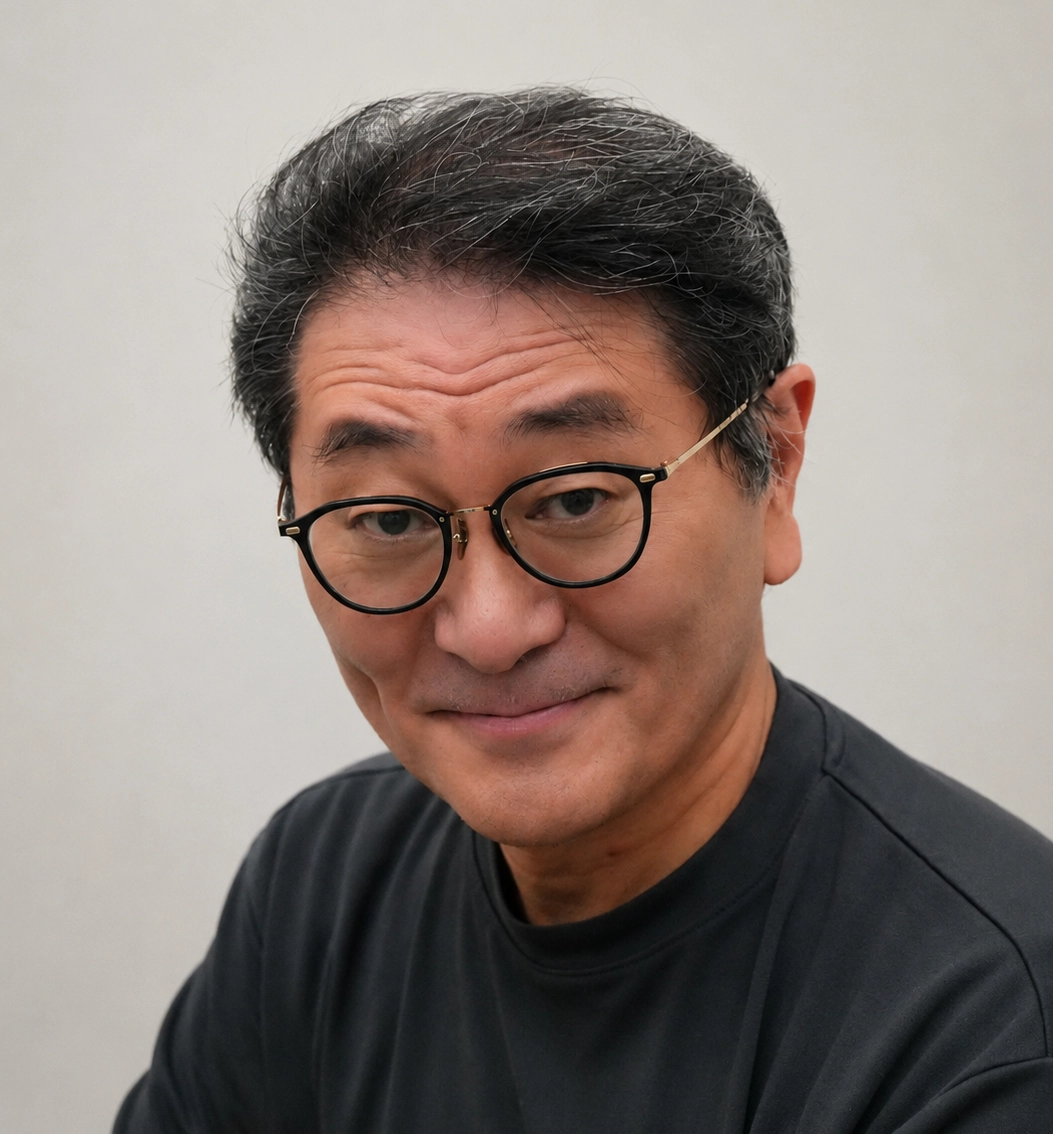
Shosei Yoshida received his MD and PhD from the University of Tokyo in 1991 and 1995, respectively. After postdoctoral training at the National Center for Neurology and Psychiatry, Japan, he held junior faculty positions at Osaka University and Kyoto University, where he began his research on mammalian spermatogenesis. In 2008, he was appointed Professor at the National Institute for Basic Biology, where he currently leads the Division of Germ Cell Biology. He also holds a professorship at SOKENDAI (the Graduate University for Advanced Studies).
Shosei's ultimate goal is to understand how the testis continuously produces vast numbers of sperm throughout adult life to sustain reproduction, while maintaining the integrity of the genome transmitted to the next generation. His work has helped establish a dynamic view of “stem cells”, the tiny fraction of self-renewing cells that maintains this lifelong production. By observing these cells directly in their natural environment within the testis, he uncovered behaviours that challenge the classical view that stem cells are maintained through tightly regulated asymmetric divisions, in which one daughter remains a stem cell while the other differentiates. Instead, he discovered that stem-cell fates are stochastic, dynamic and remarkably flexible. Currently, he is extending this work to understand how these stem cells preserve the genome with exceptionally high fidelity, and how the rare mutations that do arise are selected and transmitted to the next generation, ultimately fuelling evolution.

