%20Lisboa.webp)
The interplay between mental illness, physical disability and artistic creativity across three centuries and several cultural contexts is the subject of a new book by a St John’s Fellow.
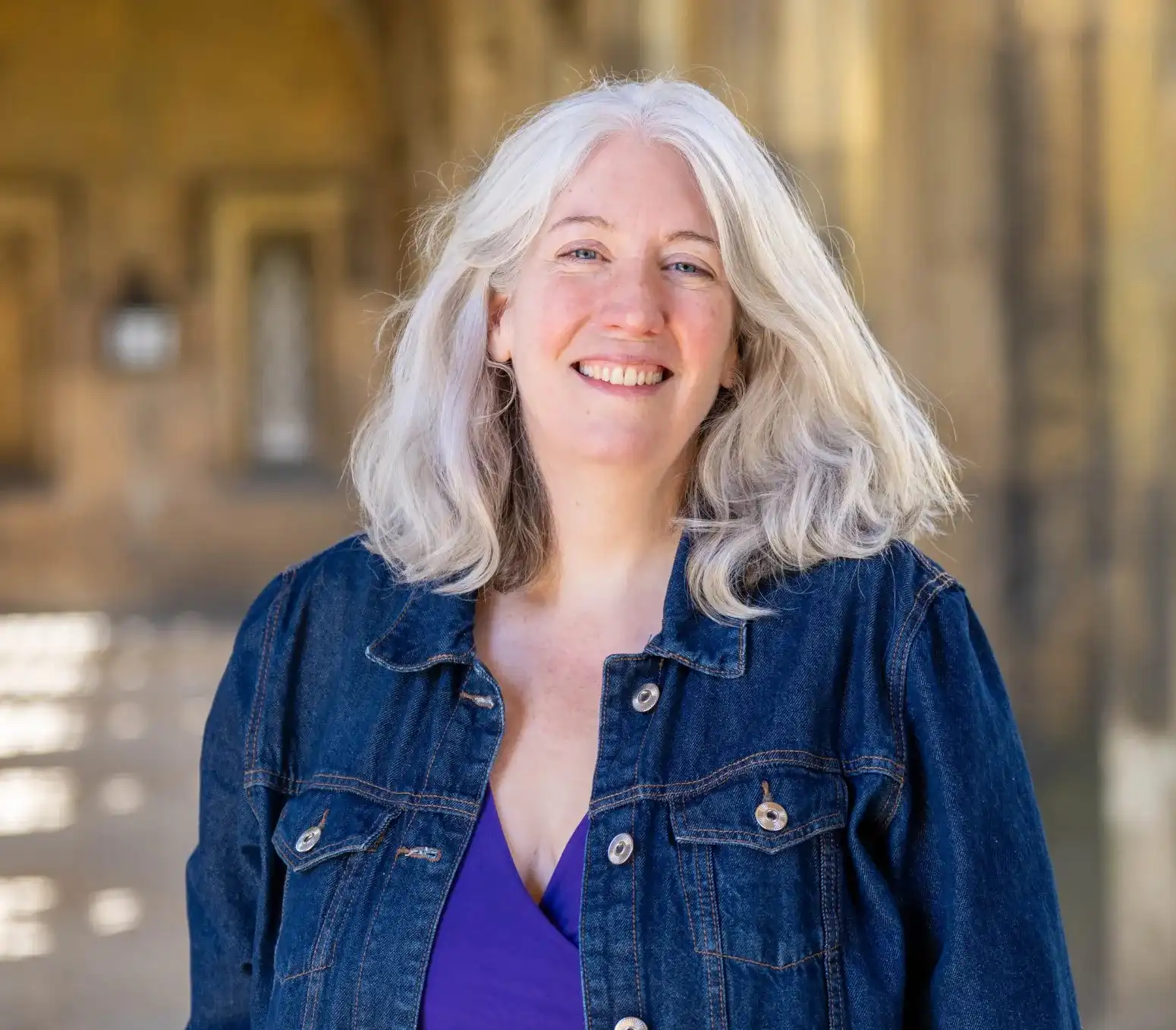
Broken: Illness and Disability in Antônio Francisco Lisboa, Camilo Castelo Branco, Clarice Lispector, Victor Willing, Paula Rego and Ana Palma, written by Professor Maria Manuel (Manucha) Lisboa, College Lecturer in Portuguese and Director of Studies in Portuguese, brings together literary criticism, art history and disability studies.
The volume explores how sociopolitical and somatic factors shaped their creativity, while also reflecting broader national, social, sexual, and political pressures.
Professor Lisboa writes: “The permutations of life as a phenomenon that is nasty, brutish and short have been the subject of cultural artefacts ever since humanity began to decorate its caves. It is one of the never-ending preoccupations of literature, music and art.
“This volume gathers together essays that focus on literary and visual works from Brazil and Portugal, from the 18th century to the present, created under the malignancy of disease, both physical and mental, as well as the impact of the shortcomings in societies’ care for their un-fittest.”
The book ranges across three centuries and several cultural contexts, beginning with the 18th-century Brazilian sculptor Antônio Francisco Lisboa, widely known as O Aleijadinho, whose severe physical impairments profoundly affected both his working practices and his posthumous reputation.
It goes on to consider the Portuguese novelist Camilo Castelo Branco, whose characters’ mental instability mirrors that of Portugal’s crisis of identity in the aftermath of the loss of its empires in South Asia and Brazil in the 19th century.
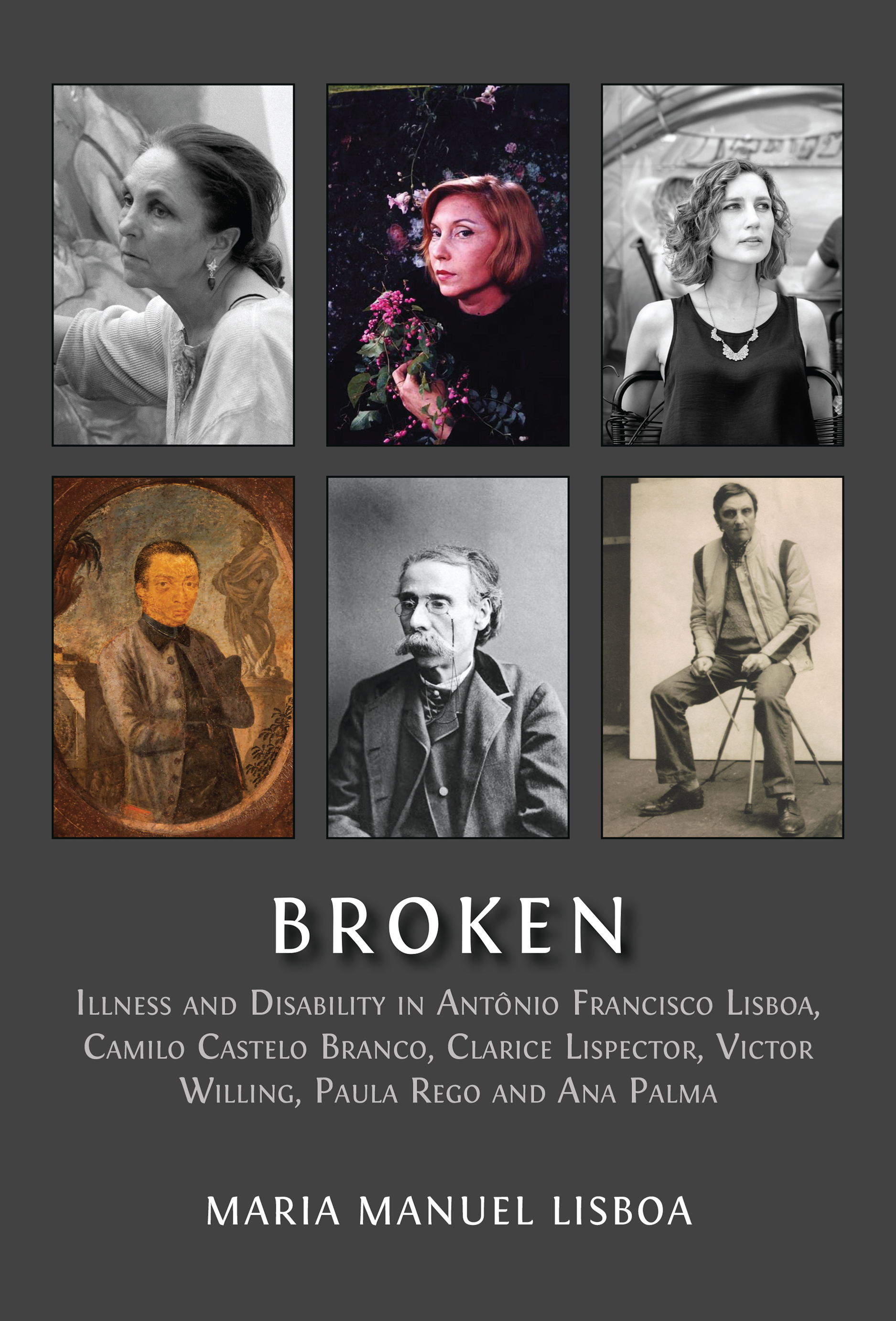
The book also discusses the Brazilian writer Clarice Lispector, whose work engages closely with questions of bodily vulnerability and psychological distress.
Later chapters examine the British painter Victor Willing, who was Portuguese by marriage and produced much of his most significant work while living with a progressive neurological condition, as well as the internationally renowned artist Paula Rego, whose art frequently confronts pain, trauma and bodily experience.
The book concludes with a study of contemporary artist Ana Palma, whose work addresses chronic illness (the implications of amenorrhea – or absence of menstruation) and the instability of the body as a site of identity.
Rather than treating illness as biographical background, Professor Lisboa places it at the centre of artistic production, arguing that experiences of illness, both physical and mental, have been integral to creative practice rather than obstacles to it.